

Buried in the Ground: Finding the Cost of Cyber Economic Espionage
Cyber espionage encompasses a broad range of intelligence-gathering activities conducted through digital networks, spanning multiple domains. While these various forms share technological methods, they differ significantly in targets, perpetrators, and strategic objectives.
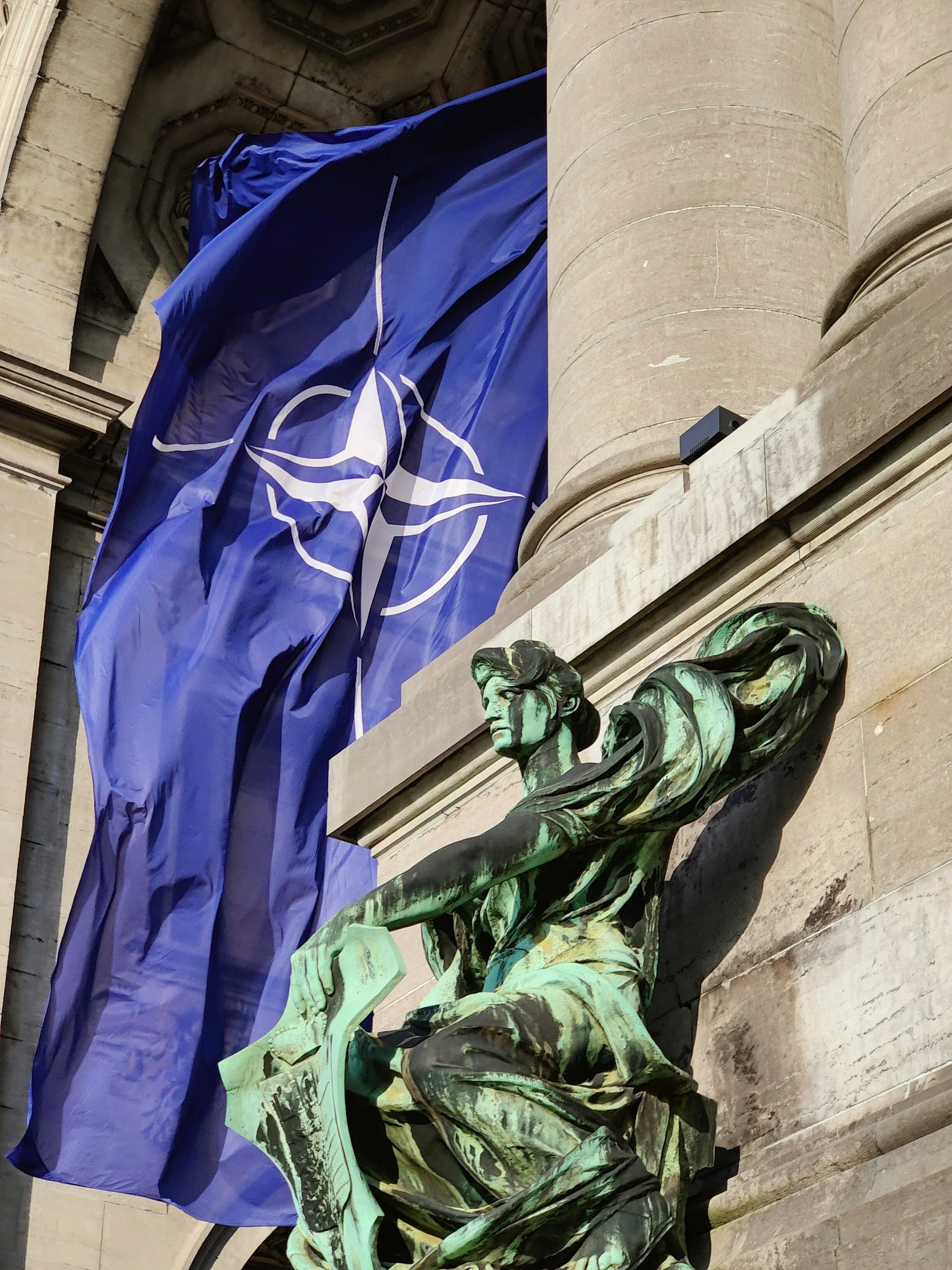
From Ambiguity to Attribution: NATO’s New Language of Deterrence
NATO is no longer tiptoeing around its enemies. The alliance now speaks and acts with a clear and distinct intention.

Unpacking State-Sponsored Cyber Conflict: Intelligence-Driven Strategic Competition in Cyberspace
In 2010, Stuxnet, a stealthy, sophisticated computer worm widely attributed to the United States and Israel, infiltrated Iran’s Natanz uranium enrichment facility and sabotaged its industrial controls, delaying Iran’s nuclear program without a single bombing raid or overt military strike. A few years later, Russian operatives hacked into U.S. political organizations in 2016, stealing and leaking emails in an effort to sway the presidential election. At the same time, Chinese state-sponsored groups quietly penetrated foreign government and corporate networks to siphon off military technology and industrial secrets over many years. These incidents, though bloodless and often deniable, had clear strategic stakes.

State-Sponsored Cyber Conflict: How Russia Responds to Election Interference Allegations on Social Media
Russia has been repeatedly accused of employing non-state cyber proxies to conduct sophisticated cyber-attacks and information operations aimed at influencing US elections. These allegations, notably around the contentious 2016 US presidential election, have attracted substantial global attention, underscoring critical vulnerabilities within democratic institutions.

Primer on the Costs of Cyber Espionage
Cyber espionage is the use of cyber tools and techniques to gather intelligence or steal sensitive information from targeted entities. This form of espionage poses significant risks to national security, economic stability and corporate integrity. Given the complex and often hidden nature of cyber espionage activities, accurately measuring their costs presents a significant challenge.

Strategic Authoritarian Narratives in the Sahel
In recent years, countries in the Sahel region of Africa have faced widespread insecurity and instability. Stretching across the northern tier of sub-Saharan Africa, Sahel countries Niger, Mali, and Burkina Faso have all experienced a series of military coups and rising levels of right-wing extremism.

Disinformation and Identity-Based Violence
Disinformation spread via digital technologies is accelerating and exacerbating violence globally. There is an urgency to understand how coordinated disinformation campaigns rely on identity-based disinformation that weaponizes racism, sexism, and xenophobia to incite violence against individuals and marginalized communities, stifle social movements, and silence the press.

State-sponsored cyber attacks and co-movements in stock market returns: evidence from US cybersecurity defense contractors
As cyber threats become increasingly central to international politics, state-sponsored cyber attacks have become an instrument of geopolitical leverage.